What is Y2K? From millennium fashion to Japan's Heisei gyaru culture

GYARUME EditorA former Shibuya gyaru from Japan
What does Y2K mean?
"Y2K" is short for "Year 2000." The K stands for "kilo," meaning thousand.
The term was first used for the "Year 2000 problem" (the Y2K bug). Some early computer systems stored years with only two digits, and people worried those systems might break when the year 2000 arrived.
But when you see "Y2K" on Instagram, TikTok or in fashion articles today, it usually means something else: the fashion and culture that were popular from the late 1990s to the early 2000s.
The outfits, makeup and little trend items of that time have become popular again in recent years. That is what people now call "Y2K style."
What are the features of Y2K style?
Y2K looked a little different in each part of the world, but these are the classic elements you see most often:
- Shiny materials: sequins, rhinestones, metallic finishes, clear plastic and pearly textures
- Cropped tops with low-rise or wide bottoms: fitted crop tops and camis with low-rise pants, mini skirts or wide-leg pants
- Sweet, eye-catching colors: candy colors like pink, baby blue and lilac, plus futuristic silver
- Cute little accessories: hair clips, bows, phone charms, small bags and tinted sunglasses
- Nostalgic tech: flip phones, digital cameras (CCD cameras) and MP3 players
Lately, retro items like Y2K sunglasses and CCD cameras have been getting a lot of attention. Add just one or two accessories and your whole look instantly feels Y2K.
Korean Y2K, American Y2K and Japanese Y2K: what's the difference?
Y2K outfits today roughly fall into a few different styles:
- Korean Y2K: shaped by the fashion trends around K-pop girl groups. Often cute and fresh, with a retro sporty touch.
- American Y2K: low-rise pants, crop tops and glossy materials. Bolder and full of attitude.
- Japanese Y2K: rooted in the pop culture of Japan's Heisei era, especially gyaru (Japanese: ギャル), a Japanese fashion subculture that started in Shibuya in the 1990s. Lots of glamorous decoration and a strong personality.
Of course, each style has many different ways to wear it. These are just the general directions. This article focuses on the most iconic part of Japanese Y2K: Heisei gyaru culture.
From the late 1990s to the early 2000s, gyaru culture was at its peak in Japan. On the streets of Shibuya, you saw girls in mini skirts, loose socks or platform shoes everywhere. They loved covering their phones in sparkle and going to take purikura (Japanese photo-sticker booths) with friends.
Unlike the minimal outfits common today, gyaru back then loved to look glamorous and bold. The more accessories and the stronger the style, the more it showed who you were.
To learn more about gyaru culture in Japan back then, read What Is Gyaru?, or learn about Shibuya 109, the store that led gyaru trends, in What Is Shibuya 109?.
5 Japanese Y2K essentials
From phones and photos to outfits, here are five classic elements that best represent Japanese Y2K, plus the easiest way to try each one today.
1. Flip phones covered in rhinestones: "deco-den"
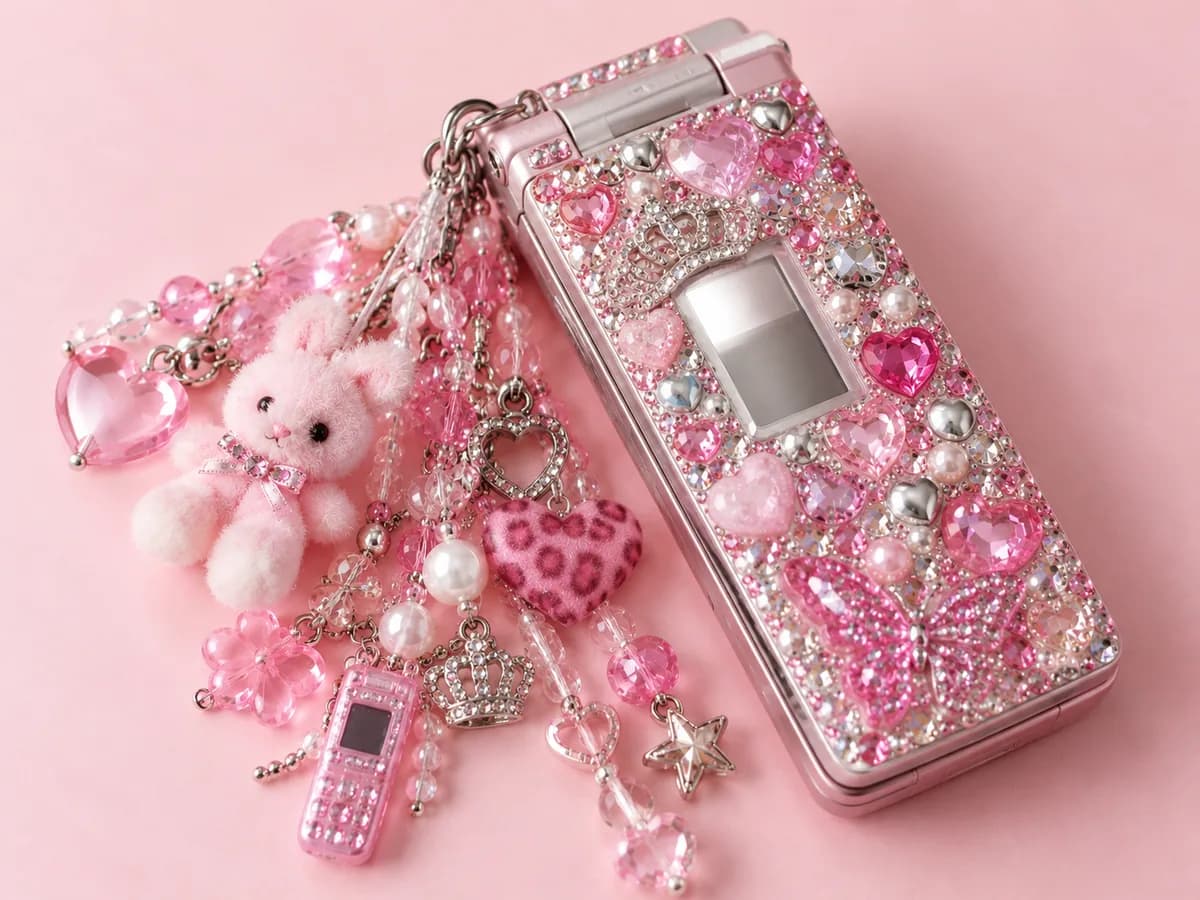
In 2000s Japan, a phone was not just for keeping in touch with friends. It was an important accessory for showing your personal style.
Girls covered their phone cases in rhinestones, pearls and stickers, then hung a big bunch of phone charms from them. In Japan, this phone-decorating culture is called deco-den (デコ電).
If you want to try Japanese Y2K now, you do not need to buy an old phone. Stick a few rhinestones on your phone case or hang a cute charm, and you get the same feeling.
From our editor, a former Shibuya gyaru: Sparkly rhinestones are the best! The flashier, the better.
2. Purikura (プリクラ)
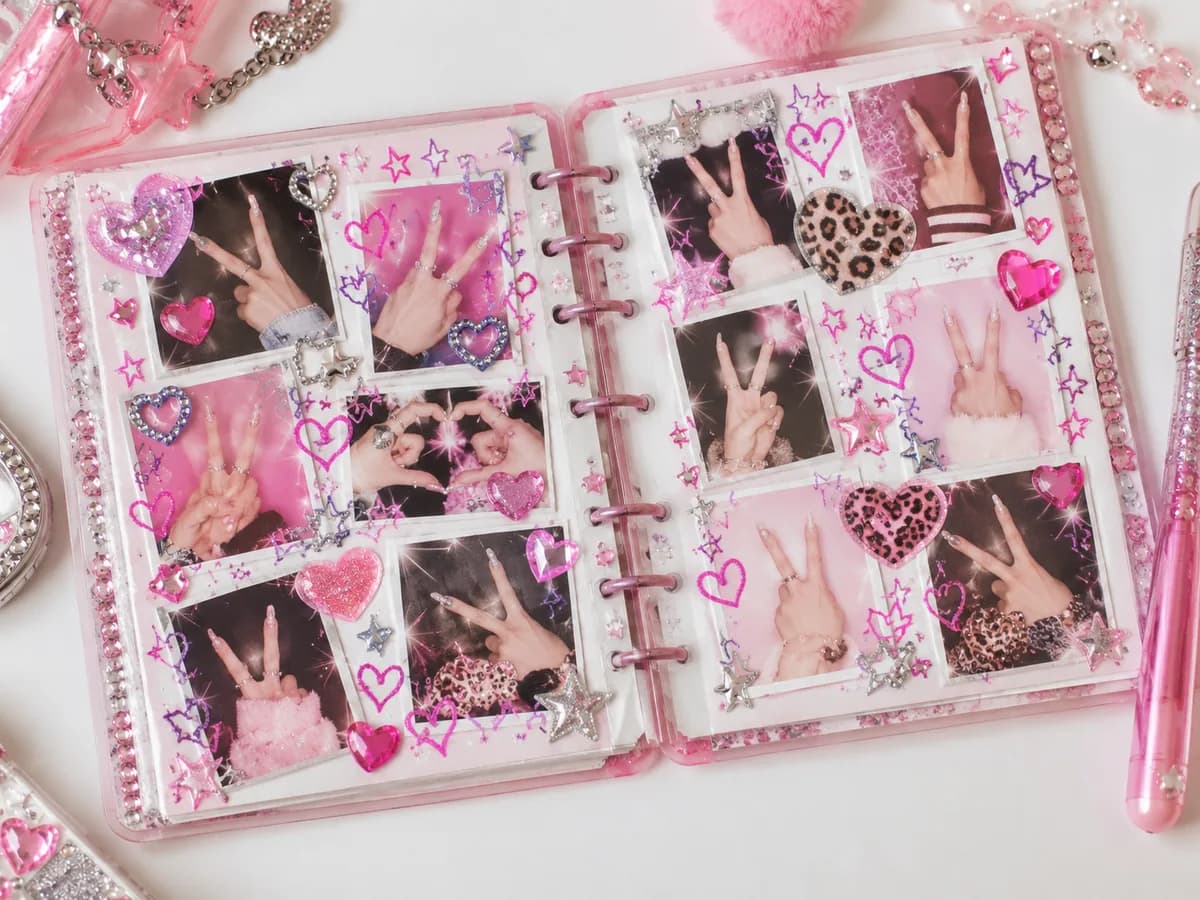
You cannot talk about Japanese Y2K without purikura!
Purikura appeared in the mid-1990s and quickly became part of girl culture in Japan.
Going to take purikura with your besties after school, writing and drawing on the photos, then keeping the printed stickers in your own purikura album was a favorite thing to do back then.
And the poses changed with the times! Each era had its own trending hand signs. Ura peace is a peace sign with the back of your hand to the camera, and ago peace is a peace sign next to your chin.
Want to know more? Read What Is Purikura?.
From our editor, a former Shibuya gyaru: The poses were different in every era. Ura peace, ago peace (chin peace)...
3. Loose socks + mini skirt
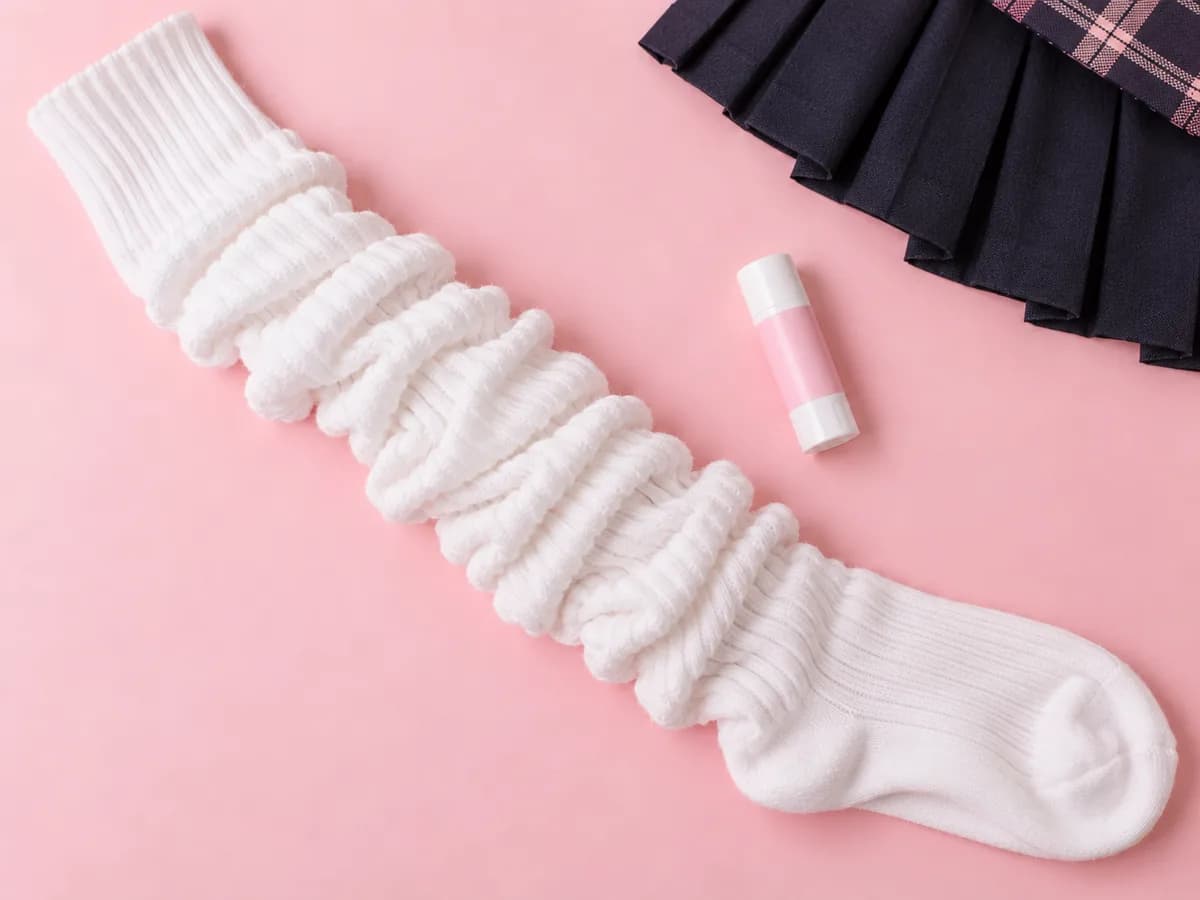
A shortened school skirt with long, slouchy white loose socks was one of the most iconic looks of Japanese high school gyaru in the 1990s.
To keep their loose socks exactly where they wanted them, girls even used a special sock glue to stick the socks to their legs.
If you want to recreate this style, read about the Kogal type.
The Japanese film Sunny: Our Hearts Beat Together also recreates many of the trendy outfits of that time. If you are interested, see 5 Japanese gyaru movies.
From our editor, a former Shibuya gyaru: With loose socks, the longer, the stronger! And sock glue (ソックタッチ) is a must.
4. Platform shoes
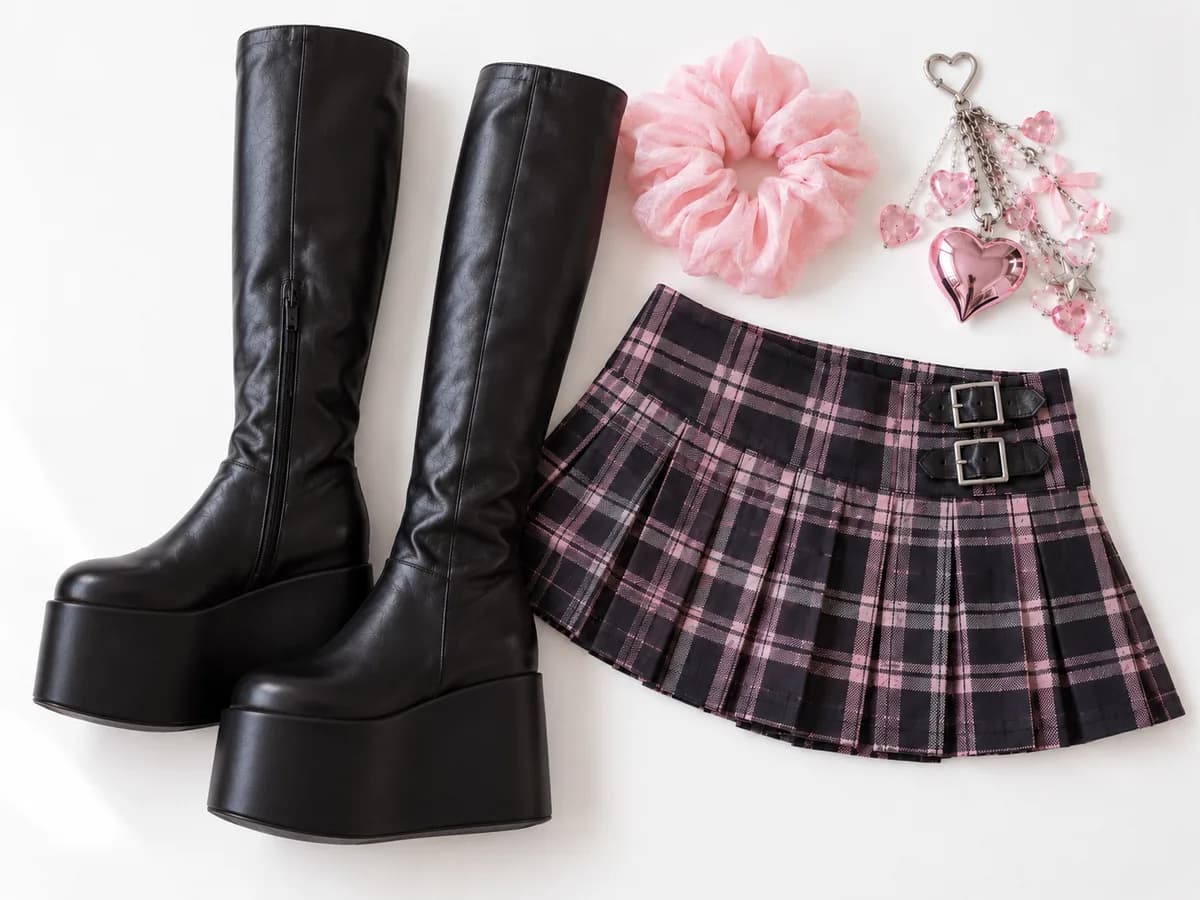
Tall, chunky platform boots and platform sandals were also among the most iconic items of Shibuya gyaru back then.
Put on platform shoes and you are instantly several centimeters taller, with longer-looking legs. Pair them with a mini skirt and the whole look gets serious attitude.
Today there are plenty of lighter, easier-to-walk-in platform shoes. Whether you wear them with a mini skirt or wide-leg pants, they give a strong Japanese Y2K feel.
From our editor, a former Shibuya gyaru: Platform boots with a mini skirt is a must.
5. Digital cameras (CCD cameras)
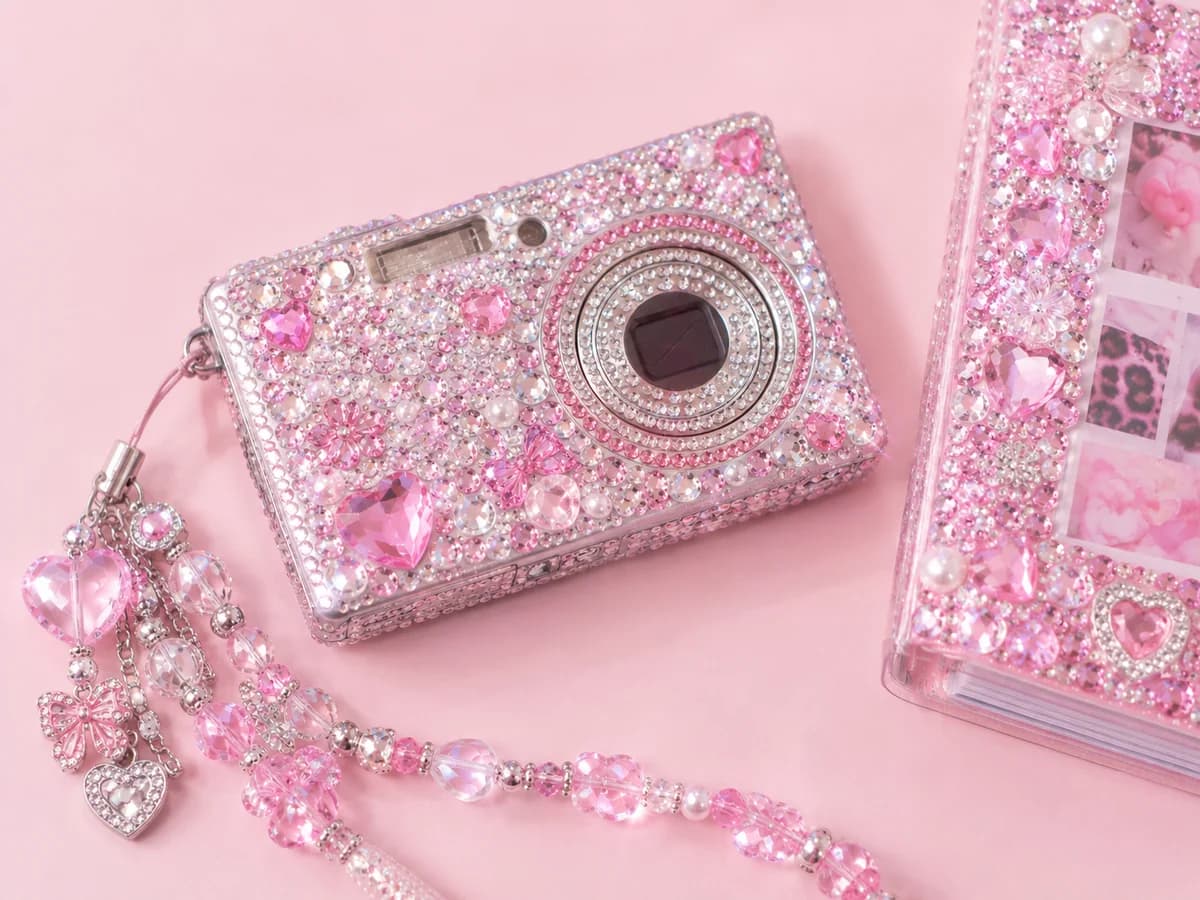
Back when taking photos with a phone was not so easy, a small digital camera was a favorite everyday item for girls.
Popular singers even appeared in ads for digital cameras. Gyaru who loved to look good decorated even their cameras, adding rhinestones just like on their phones to make them one of a kind.
Now, old digital cameras are getting attention again. What people call a "CCD camera" is an early digital camera that uses a CCD image sensor. Compared with the sharp, clear photos from modern phones, many people prefer the slightly hazy, grainy retro look of old cameras.
From our editor, a former Shibuya gyaru: Every gyaru had the LUMIX that Ayu (Ayumi Hamasaki) did the commercials for, all decorated.
Japanese Y2K essentials at a glance
| Element | Japanese Y2K back then | How to wear it now |
|---|---|---|
| Phone | Flip phones, deco-den | Rhinestones on your phone case, a charm |
| Photos | Purikura, digital cameras | Take purikura, try a CCD camera |
| Socks | White loose socks | Loose socks with a mini skirt |
| Shoes | Platform boots, platform sandals | Light platform shoes |
| Overall style | Lots of decoration, bold colors | Start with one or two classic elements |
Japanese Y2K comes in six Heisei gyaru styles
Heisei gyaru was never just one style.
Some loved sweet and cute, some preferred glamorous and grown-up, and some went for a bold look with serious presence.
If you want to try Japanese Y2K, start by finding the style you like best:
- Love pink, bows and glamour -> Hime Gyaru
- Love loose socks and taking photos with your besties -> Kogal
- Prefer black and a slightly naughty glamour -> Agejo
- Like grown-up, elegant outfits -> Onee Gyaru
- Love leopard print, blonde hair and a powerful presence -> Tsuyome Gyaru
- Want to add a little Y2K to your everyday outfits -> Everyday Gyaru
From our editor, a former Shibuya gyaru: A diva with overwhelming charisma was the symbol, and everyone copied her. I feel like it grew into something unique to Japan.
FAQ
What does Y2K mean?
Y2K is short for "Year 2000." It was first linked to the computer "Year 2000 problem." Today, in fashion and on social media, it usually means the fashion and culture popular from the late 1990s to the early 2000s.
How do I wear Y2K style?
The easiest way is to start with accessories! Tinted sunglasses, hair clips, phone charms and small bags all work well. For clothes, try a crop top with a mini skirt or wide-leg pants, then add platform shoes for an easy Y2K look.
What is the difference between Japanese Y2K and Korean Y2K?
Korean Y2K, which is popular right now, often means fresh, cute outfits with a retro sporty touch. The Japanese Y2K in this article is based on Heisei gyaru culture in Japan. It is known for glamorous decoration, bold colors and classic elements like loose socks, platform shoes, purikura and decorated phones.
Which Japanese Y2K style suits you?
Hime, Kogal, Agejo, Onee, Tsuyome or Everyday Gyaru?
Answer 8 questions and find the Heisei gyaru type that matches your personality!